

學英語的過程中,總是會遇到各種讓人困惑的用法。許多英文學習者經常把一些詞語或句型搞混,不知道如何正確使用。這些常見的錯誤不僅影響語言表達的準確性,還可能讓你的英語溝通變得尷尬或不自然。別擔心,我們特地整理了一份「英文學習者最常混淆的用法大集合」,幫助你快速識別並改正這些常見錯誤。無論是語法陷阱還是詞彙使用的迷思,這篇文章都會一一解答,讓你在學習英語的路上更加順利,讓每一次交流都變得更加自信和流暢。
英文學習-易混淆句型01 「好消息」是That’s good news. 還是That’s good a news.?

答案是「That’s good news」,這才是正確的用法喔。因為 “news” 是不可數名詞,表示「消息」或「新聞」。
不可數名詞前面不能加不定冠詞或數量詞,如果要表達特定數量或種類的「消息」,需要使用量詞,如「a piece of news」或「several pieces of news」。
例句
They’ve decided to lower the rent next month. That’s a good news for everyone in the building. (X)
→ They’ve decided to lower the rent next month. That’s good news for everyone in the building.
他們決定下個月降低房租。這對大樓裡的每個人來說都是好消息。
英文學習-易混淆句型02 「忙碌」是be busy + to V或be busy + to Ving?

「忙碌」的正確用法應該是 “be busy + Ving”,而不是 “be busy + to V”。
這是因為 “busy” 這個形容詞後面通常接 現在分詞 (Ving),表示忙於做某件事情。”to V” 是不定詞,通常用於表達目的,但與 “busy” 搭配時並不正確。
例句
I’m busy to prepare for the meeting. (X)
→ I’m busy preparing for the meeting.
我正忙著準備會議。
英文學習-易混淆句型03 「我很喜歡」是I very like it. 還是 I like it very much.?

「我很喜歡」的正確英文表達是 “I like it very much.”,而不是 “I very like it.”。
因為“Very” 是一個副詞,用來修飾形容詞或副詞,但不能直接修飾動詞(如 “like”)。正確的做法是使用 “very much” 來修飾動詞 “like”。因此,應該說 “I like it very much.”,表示「我非常喜歡它」。
例句
I very like this movie.(X,錯誤,”very” 不修飾動詞)
→I like this movie very much.
我非常喜歡這部電影。
英文學習-易混淆句型04 「住飯店」是stay at the hotel 或 live at the hotel?

正確答案是stay at the hotel。
因為”Stay” 通常用來表示短期停留或暫時住在某個地方,比如飯店、朋友家等。而一般人在飯店住宿的時間通常很短暫,所以要使用stay。
而 “live” 則通常用來表示長期居住,像是你住的地方、住所,適合用來形容住在一個固定的地方,例如家或城市。住的時間都是以年來計算的長期住宿。
例句
I will live at the hotel for three nights. (X,短期住宿要用stay)
→ I will stay at the hotel for three nights.
我會在飯店住三晚。
英文學習-易混淆句型05: 「照鏡子」是look in/into the mirror還是look at the mirror?
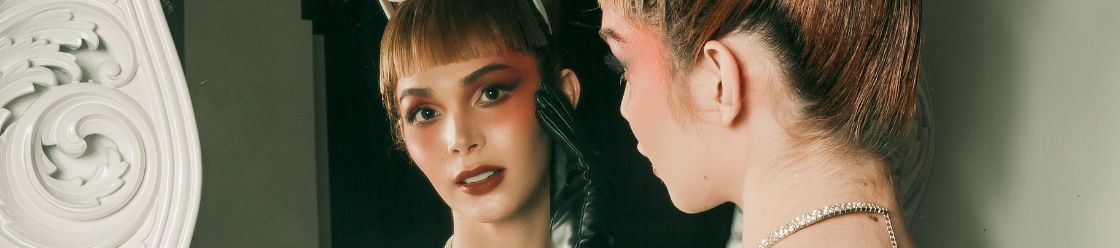
正確的說法是 “look in the mirror” 或 “look into the mirror”,而不是 “look at the mirror”。
這是因為”look at the mirror” 只是指單純「看著」鏡子的表面,當你「照鏡子」時,你不只是看著鏡子的表面,而是看進鏡子裡,觀察自己的倒影。
例句
She looked at the mirror to check her hair before leaving.
→ She looked into the mirror to check her hair before leaving.
她在出門前照了鏡子檢查一下自己的頭髮。
英文學習-易混淆句型06:「回家」是go to home 還是 go home?
「回家」的正確說法是 “go home”,而不是 “go to home”。
因為 “Go home” 中的 “home” 是副詞,表示「回到家」,不需要前面的介系詞 “to”。
如果使用 “to”,則應改為 “go to my house” 或 “go to the house”,因為 “house” 是名詞。
例句
I’m going to home after work.
→ I’m going home after work.
我下班後要回家。
英文學習-易混淆句型07:「厚衣服」應該說thick clothes還是heavy clothes?

兩者皆可描述冬季的「厚衣服」,取決於你想強調的是布料的厚度還是重量感。
thick clothes強調衣服的材質厚度。適合用來描述布料本身比較厚重的衣服,如毛衣、外套等。
heavy clothes強調衣服的重量或穿著的感覺較重。適合用來形容材料重或穿上感覺很厚重的衣物,如大衣、厚外套等。
例句
You’ll need thick clothes if you’re going to the mountains. (指單層材質厚重的衣服)
如果你要去山裡,你會需要厚衣服。
例句
In cold weather, you’ll need heavy clothes to stay warm. (指整體穿得很多)
在寒冷的天氣中,你需要穿厚重的衣服來保暖。
英文學習-易混淆句型08:「有鑑於」是given that…還是giving that…?

正確用法是 “given that…”。”Given that” 是一個常見的片語,意思是「考慮到…」、「有鑑於…」。
它用來引出一個已知的事實或條件,然後基於此事實進行推論或說明。
另外,不能使用”Giving that” 的原因是因為 “giving” 是現在分詞,並不適合用來引導條件或已知的事實。
例句
Giveing that she has experience in marketing, she’s perfect for this role.
→ Given that she has experience in marketing, she’s perfect for this role.
考慮到她在行銷方面的經驗,她是這個職位的最佳人選。
英文學習-易混淆句型09:「我的一位好朋友」是the best friend of mine 或 a good friend of mine?

正確說法是 “a good friend of mine”。”
A good friend of mine” 意思是「我的一位好朋友」,這是一個泛指用法,表示你有很多朋友,其中一位是好朋友。”The best friend of mine” 聽起來不自然。
如果你想表示「最好的朋友」,通常會說 “my best friend”,而不是 “the best friend of mine”。
例句
She is the best friend of mine from college.
→ She is a good friend of mine from college.
她是我大學時期的一位好朋友。
英文學習-易混淆句型10:「聯絡別人」是contact+人 還是contact with+人?

「contact+人」才是正確的。
因為”Contact” 是及物動詞,後面直接接人,不需要加介系詞 “with”。”Contact with” 一般用來表示與某人的接觸或關係,通常用在名詞結構中,如 “in contact with”,而不是動詞用法。
例句
I will contact with you tomorrow.
→ I will contact you tomorrow.
我明天會聯絡你。
📚 延伸閱讀:
【英文學習】雙十節、儀隊、升旗典禮的英文怎麼說?快來學習這些應景的國慶英文吧
目標是全民英檢中級?買參考書之前先每天花10分鐘學英文
【閱讀技巧】3個步驟打好基礎:英文程度不佳者的閱讀技巧指南
不會說英文怎麼辦?用這10個日常英文單字讓你更有自信與外國人交流





你必須登入才能發表留言。